
Introduction
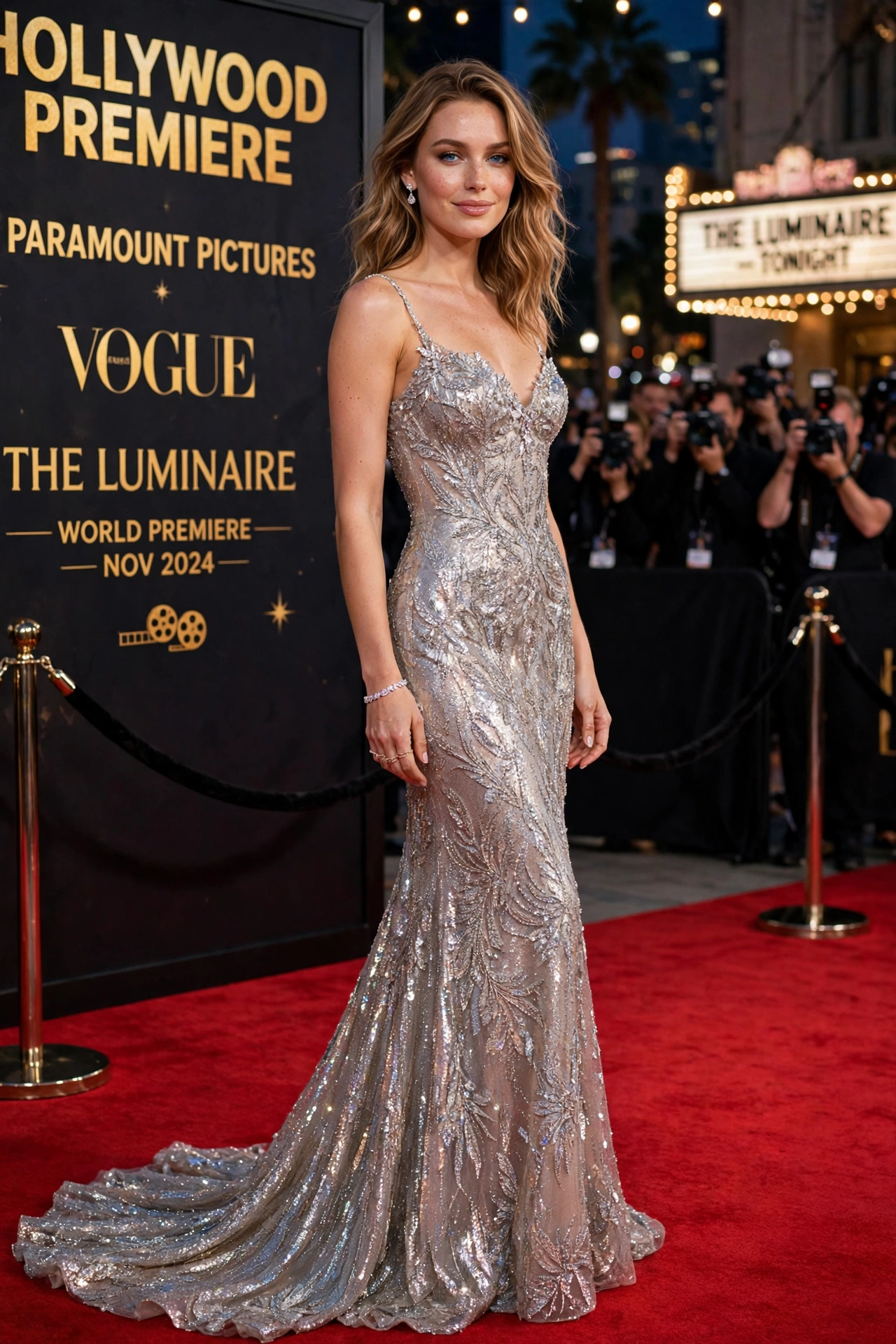
Red carpet dresses are fashion’s highest-stakes game. A celebrity gets roughly ninety seconds in front of the cameras, and those ninety seconds can define her public image for a decade. The gowns that succeed become cultural landmarks — people who never watch the Oscars can still describe the dress. The ones that fail live forever too, just less kindly.
I’ve followed awards season since I was a teenager taping the E! pre-show, and I still clear my calendar for the Met Gala. What fascinates me isn’t the price tags — it’s the decisions: why this color, why this silhouette, why this designer, on this night. Every iconic look answers those questions for its moment. This isn’t a copy-the-look shopping list, since most of these gowns are couture, one of one. Instead, we’ll revisit the most iconic American moments in red carpet dresses, understand why they worked, and pull out styling lessons any woman can use for her big nights. The principles behind a legendary gown are the same ones behind a great party dress — scale changes, logic doesn’t.
1. The Golden Age and the Classics That Set the Rules
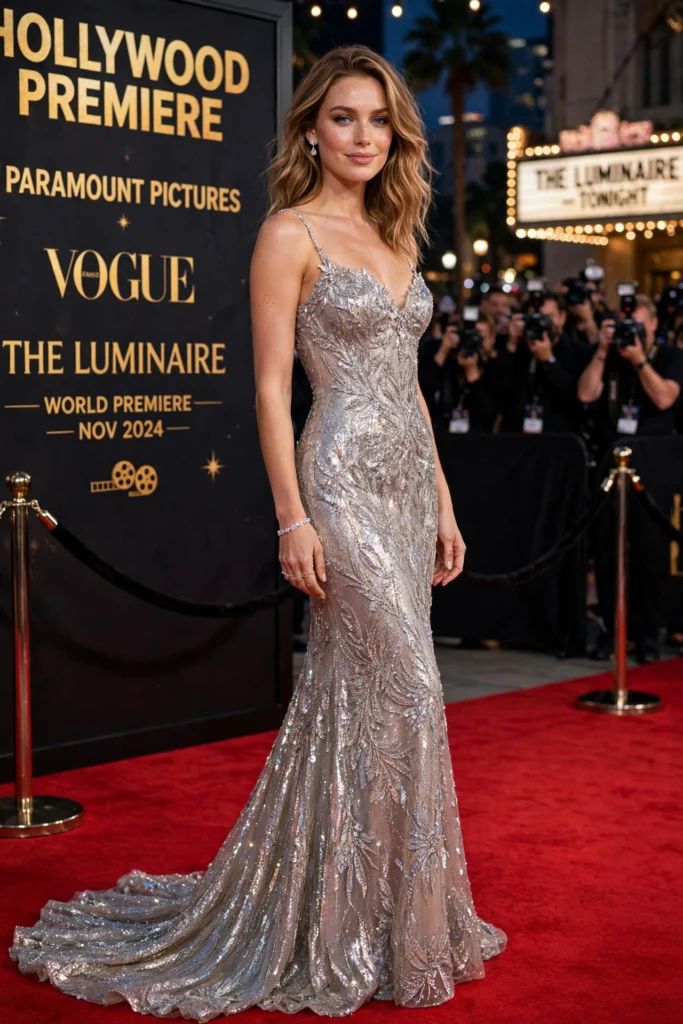
Long before stylists and brand contracts, a few actresses wrote the rules that red carpet dresses still follow. Their trick was never excess. It was precision.
Audrey Hepburn’s black Givenchy gown at the 1954 Oscars established the first rule: simplicity photographs forever — the boat neckline, the clean lines, no fuss. Award-show “little black dress” moments still trace back to that night. Grace Kelly’s ice-blue satin gown, worn when she won her Oscar in 1955, added the second rule: color that flatters beats color that shouts.
Marilyn Monroe never needed an award show. Her white halter dress moment in 1955 became cinema’s most famous dress image, and her sheer, crystal-covered “Happy Birthday” dress in 1962 pushed boldness into new territory. When a modern star wore the original to the Met Gala decades later, it sparked national debate about fashion preservation. Elizabeth Taylor’s violet chiffon, chosen to match her famous eyes, showed how a dress can amplify a signature feature. Cher, working with Bob Mackie through the 1970s and 80s, rewrote the rules — sheer fabrics, towering headpieces, sequins placed like armor — and modern naked-dress moments descend from her nerve.
What unites the classics is intention: none of these women looked accidental. Fashion histories at Vogue’s red carpet archive coverage return to these red carpet dresses constantly, because the gowns became the grammar everything else is written in.
The Designers Behind the Curtain
Iconic gowns carry two signatures: the woman’s and the designer’s. Givenchy defined Hepburn’s era. Valentino’s red became so synonymous with glamour that the shade has its own name. Elie Saab built an empire on embroidered illusion gowns that photograph like jewelry. Ralph Lauren turned classic American polish into red carpet armor — think of the pink gown Gwyneth Paltrow wore to accept her Oscar in 1999. Vera Wang reshaped bridal, then carried that romance into evening wear. The great pairings are long collaborations: a designer who knows a woman’s posture, coloring, and public story, through multiple fittings adjusted for how she walks, sits, and climbs stairs.
2. The Modern Icons: Gowns That Defined the 2000s and 2010s
The modern era turned red carpet dresses into headline events, and a few looks shifted what came after them.
Halle Berry’s burgundy Elie Saab gown at the 2002 Oscars — sheer embroidered bodice, flowing satin skirt — landed the night she made history as the first Black woman to win Best Actress. It was glamorous and significant, soft and powerful. A year earlier, Julia Roberts won her Oscar in a vintage black-and-white Valentino from 1992, and started the archival-vintage movement that dominates major carpets.
Jennifer Lopez rewrote the rules twice. Her green Versace jungle dress at the 2000 Grammys was so searched that it inspired the creation of Google Images — that’s company history, not metaphor. Nineteen years later, she closed the Versace show in Milan wearing an updated version, and the internet broke again. The lesson: a silhouette that fits your story can be career architecture, not just clothing.
Lupita Nyong’o delivered a masterclass in one season. Her powder-blue Prada at the 2014 Oscars, its skirt moving like water, was dubbed the “Nairobi blue” moment, and she followed it with a Calvin Klein gown covered in thousands of pearls. Angelina Jolie’s black velvet Atelier Versace in 2012 proved a high slit and total restraint could out-shine every crystal in the room. The 2010s crowned the stylists, too — Law Roach turned Zendaya’s carpets into fashion theses, while Rihanna’s enormous yellow Guo Pei cape gown at the 2015 Met Gala remains the decade’s boldest statement. Annual best-dressed breakdowns at Harper’s Bazaar red carpet coverage read like a Rihanna anthology for that decade.
The 2020s: Sustainability, Archives, and the New Rules
The current decade added two forces: the archive and the conscience. Vintage is no longer a charming exception — Zendaya’s 2024 Met Gala appearance, including a 1996 Givenchy by Galliano, read like a museum exhibition worn at walking speed. Rewearing has become a flex, too: stars repeat gowns, alter old dresses into new silhouettes, and say so proudly. Audiences reward the story — who made it, who wore it, why it matters — and these red carpet dresses outperform anonymous pretty ones every time.
3. The Met Gala Effect: When Dressing Became Performance
If the Oscars are fashion’s championship game, the Met Gala is its art exhibition. Held each May in New York, the gala asks guests to dress to a theme, and American celebrities have turned that homework into performance art — pushing red carpet dresses further than any other event allows.
Beyoncé’s sheer, crystal-scattered Givenchy in 2015 — arriving fashionably last, hair in a high ponytail — fused the naked-dress trend with total control. Nothing about it looked vulnerable; it looked engineered. Blake Lively built a tradition of gowns matched to the Met’s carpet colors, peaking with her 2022 Statue of Liberty–inspired Versace, which attendants unfurled on the steps to reveal a transformed skirt in oxidized copper-green. The crowd gasped. So did everyone at home.
Then there’s the pure theater wing: Lady Gaga performed four Brandon Maxwell looks in fifteen minutes on the steps in 2019, and Billy Porter arrived in a gold winged tableau carried by six attendants. The gala also exposed the business underneath — a single viral staircase moment can out-earn a year of advertising. For everyday women, its real gift is permission: dressing up can be joyful and wildly personal at once. Our guide to Best Party Dresses for Women in the USA translates red carpet logic into dresses normal humans can buy, and the Best Cocktail Dresses for Women roundup covers the semi-formal middle ground.
Worst-Dressed Lists and the Risk Economy
For every icon there’s a cautionary tale, and the line is fine. Björk’s swan dress at the 2001 Oscars was mocked for years and is now in museum conversations about fashion as art. Lady Gaga’s meat dress at the 2010 VMAs horrified commentators and ended up preserved and exhibited. The real failures share a different trait: not boldness, but incoherence — the dress says ballroom, the hair says beach, the shoes say office — or a fit that fails in public. At your own events, one strong, deliberate choice beats three cautious ones. Confidence isn’t an accessory; it’s the garment underneath all the others.
4. Steal the Styling: Lessons Any Woman Can Use
Here’s my favorite part, because this is where red carpet dresses stop being spectacle and start being useful. Underneath the couture budgets, the best looks run on principles that work at any price.
First: one focal point wins. The legendary gowns each have a single headline — the color, the slit, the cape, the embroidery — never four competing ideas. If the dress is sequined, the jewelry shrinks. If the dress is simple, the earrings can swing. Second: fit beats label, every time. Celebrities are tailored within an inch of their lives, with structure built inside the gown. A $150 dress fitted to you will photograph better than a $1,500 dress that almost fits. Tailors are the real red carpet secret, and they work for all of us.
Third: color is strategy. Jewel tones photograph rich under flash. Pastels need strong hair and makeup to avoid washing out. Black can flatten in photos unless texture — velvet, sequins, satin — gives it dimension. Fourth: the finish is half the look. Hair, makeup, nails, shoes, and undergarments are deliberate in every iconic photo. You don’t need a glam squad — you need a plan, tried once before the event. Test your look in your phone camera with the flash on. For help, our breakdown on How to Accessorize a Dress covers the jewelry and bag decisions.
Finally, wear the dress — don’t let it wear you. Posture, a smile, and comfort radiate through the camera. That’s why best dressed is so rarely the most expensive gown in the room: it’s the one where dress, woman, and moment all agree.
Getting the Look for Less: Rentals, Vintage, and Smart Buys
The modern red carpet’s most useful secret is that almost nobody owns what they’re wearing — and now that model is open to everyone. Rental services let women rent designer gowns for $30 to $100 that retail for ten to twenty times that. Vintage and resale work the same street: consignment stores in Los Angeles, New York, and Dallas stock last season’s designer gowns at a third of retail. If you buy one evening dress, buy a classic — black, navy, or a jewel tone, with texture — and spend the savings on the finish: shoes you’ll rewear and earrings with presence.
Conclusion
The most iconic red carpet dresses share a secret: none of them succeeded by accident. Hepburn’s simplicity, Berry’s embroidered burgundy, Lopez’s jungle green, Lively’s transforming copper — each was a decision, made boldly, about who that woman was that night. Borrow the confidence, too: every legendary look in this guide belongs to a woman who committed to her choice.
You don’t need a stylist or a couture house to use the same logic. Choose one focal point. Tailor the fit. Pick color with intention. Finish the look completely, then enjoy your evening in it. The red carpet is ninety seconds long. A great night in a dress that feels like you lasts much longer — and that’s the moment worth dressing for.
Frequently Asked Questions (FAQs)
Q1: What is the most iconic red carpet dress of all time?
Several looks share the claim: Jennifer Lopez’s green Versace jungle dress from the 2000 Grammys is the most searched, Marilyn Monroe’s crystal “Happy Birthday” dress is the most famous vintage piece, and Audrey Hepburn’s 1954 black Givenchy is the most timeless.
Q2: Which event has the most important red carpet dresses, the Oscars or the Met Gala?
They serve different purposes. The Oscars favor timeless glamour and classic gowns, while the Met Gala rewards theatrical, theme-driven fashion. The Oscars create lasting elegance; the Met Gala creates cultural moments that everyone talks about for weeks afterward each year.
Q3: Do celebrities buy their red carpet gowns?
Usually not. Designers lend couture gowns for major events because the publicity is worth more than the dress. Some pieces are custom-made for the star, and a few celebrities purchase or archive historically significant gowns afterward, once the event is over.
Q4: How can I get a red carpet look on a normal budget?
Focus on the principles: one focal point, excellent fit through tailoring, a rich color or textured fabric, and a complete finish with hair, shoes, and simple jewelry. Rental services and well-chosen mid-priced gowns deliver the look without couture prices or stress.
Q5: What colors photograph best for evening events?
Jewel tones like emerald, sapphire, and burgundy photograph richly. Red is striking but bold against red backdrops. Black needs texture — velvet, satin, or sequins — to keep dimension in flash photography, and pastels need stronger hair and makeup for balance.
Q6: Why do celebrities wear vintage gowns on the red carpet?
Vintage and archival pieces signal fashion knowledge, support sustainability, and guarantee no one else wears the same dress. Julia Roberts’ vintage Valentino Oscar win in 2001 started the modern trend, and it has grown every decade since, across every major carpet.